
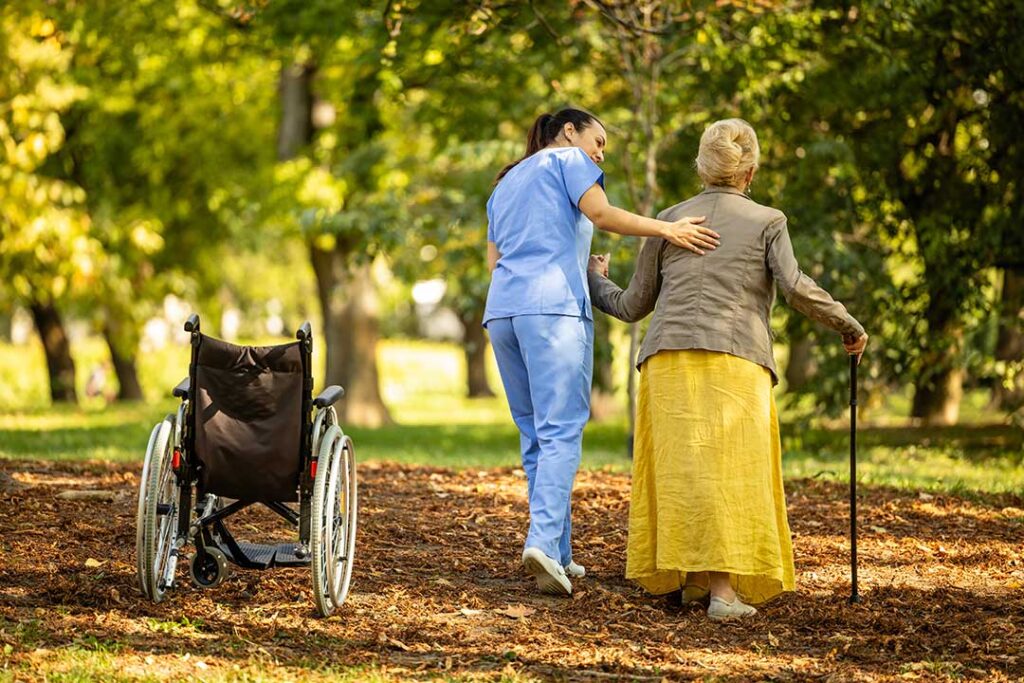
What Health Services Are Typically Provided in Assisted Living?
Assisted living communities are designed to support residents who need some help with daily routines but wish to maintain a sense of independence. In Tamaqua, PA, these settings offer a range of basic health services, with the aim of promoting residents’ well-being, safety, and dignity.
The most common health-related services include:
- Medication management and reminders
- Monitoring of chronic health conditions
- Access to visiting healthcare professionals for basic medical needs
- Support for Activities of Daily Living (ADLs), such as bathing, dressing, and mobility
- Assistance with coordinating external healthcare appointments
These services are not the same as round-the-clock medical or nursing care provided in a nursing home. Instead, they fill the gap between fully independent living and higher-level skilled care.
How Does Medication Management Work?
Residents in Tamaqua often have multiple prescriptions, and assisted living staff can help ensure medication is taken as prescribed. This service typically includes:
- Storing medications securely
- Providing reminders or direct assistance with taking medications
- Logging doses taken for accuracy and accountability
- Helping communicate with pharmacists or healthcare providers when refills or changes are needed
This can be especially important for residents managing conditions like diabetes, blood pressure, heart disease, or memory-related concerns, where missing doses can lead to complications.
Are Chronic Conditions Monitored in Assisted Living?
Yes, regular monitoring is a key benefit for many local residents. Staff can check vital signs like blood pressure and heart rate, track weight, and observe for signs of illness or changes in condition. If a resident’s health status changes, staff typically notify family and coordinate with primary care providers. However, assisted living is not equipped for complex medical treatments such as IV infusions or intensive wound care.
What Role Do Visiting Healthcare Professionals Have?
Most assisted living communities coordinate visits from outside healthcare providers. In the area, this may mean periodic visits from:
- Primary care physicians or nurse practitioners
- Physical, occupational, or speech therapists
- Podiatrists
- Mobile lab or imaging services
These professionals provide periodic check-ups, manage routine health concerns, and can help with rehabilitation exercises after illness, surgery, or injury. Residents and their families usually arrange ongoing specialty care through these visits or outside appointments as needed.
How Are Activities of Daily Living Supported?
Assisted living staff are trained to provide hands-on help with personal care tasks that may become challenging with age or disability:
- Bathing and hygiene
- Dressing and grooming
- Mobility support (including help with walkers or wheelchairs)
- Toileting and continence care

The level of assistance is tailored to each individual’s needs, helping residents maintain as much autonomy as safely possible. For many, timely support with these tasks can prevent falls, infections, and unnecessary hospital visits.
Is Emergency Response Available Around the Clock?
Safety is a priority in any assisted living community. Staff are typically present 24/7 to respond to urgent medical issues or accidents, such as falls or sudden illness. In a typical Tamaqua setting, residents have access to call systems or emergency pull cords in their rooms and bathrooms, so they can alert staff quickly.
Emergency response protocols are designed to stabilize the resident and arrange emergency transport or urgent care when needed, while keeping family informed.
Can Residents Manage Their Own Healthcare Appointments?
Many residents prefer to continue handling their healthcare independently, and that’s encouraged when possible. Assisted living staff can provide reminders, help schedule transportation, and assist with communication between doctors and families when support is requested. There is flexibility for residents to balance independence with support, depending on their preferences and abilities.
What Services Are Not Included in Assisted Living?
There can be confusion about which medical services are provided on-site. Assisted living generally does not offer:
- Skilled nursing care for serious, ongoing medical problems (such as IV therapy, complex wound care, or advanced respiratory support)
- Full-time, on-site medical professionals
- Hospital-level rehabilitation or therapy
For situations requiring higher levels of care, residents may need short-term stays at a skilled nursing facility or additional home health services arranged separately.
How Does Assisted Living Support Social and Emotional Well-being?
Although not strictly a health service, supporting mental health and social connections is an essential part of assisted living life. Social programs, group activities, and opportunities for exercise and recreation help residents stay active, engaged, and less isolated—factors closely linked to better overall health in older adults.
Misconceptions About Assisted Living Health Services
*Assisted living is not the same as a nursing home*: Residents are encouraged to do what they can on their own, with as much or as little support as is appropriate.
*Medical care is more supportive than clinical*: The focus is on wellness, safety, and quality of life, not intensive medical intervention.
*Outside help may sometimes be needed*: For complex medical care, outside providers or temporary transfers may be required to meet specific health needs.
