
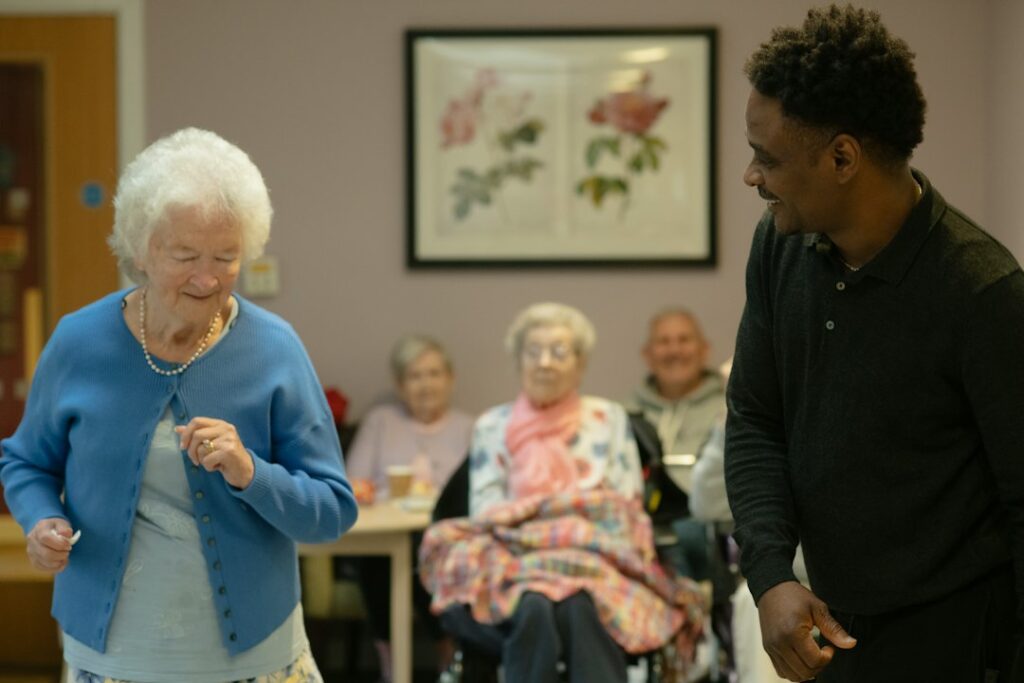
Healthy aging is not about avoiding every health problem or following a perfect routine. It is about preserving strength, independence, comfort, connection, and confidence through manageable daily choices. For residents of Tamaqua, PA, assisted living can provide a structured setting where movement, meals, medication routines, social activities, and safety checks become part of everyday life.
What does healthy aging mean in assisted living?
Healthy aging includes physical, mental, emotional, and social well-being. It also means managing chronic conditions, preventing avoidable injuries, and staying involved in decisions about daily life.
Assisted living residents may have different abilities, diagnoses, and personal goals. A useful routine should be adjusted to the individual rather than based on age alone. Someone may focus on walking farther, while another person may work on transferring safely from a chair, remembering medications, or participating in more social activities.
Helpful goals may include:
- Maintaining the ability to complete personal tasks
- Staying active without overexertion
- Eating enough nutritious food and drinking adequate fluids
- Sleeping on a regular schedule
- Preventing falls and medication mistakes
- Keeping meaningful contact with family, friends, and neighbors
- Reporting new symptoms before they become emergencies
How much physical activity should assisted living residents get?
Residents should move regularly in ways that match their abilities and health conditions. Activity does not have to mean formal exercise; short walks, standing exercises, chair movements, stretching, and recreational activities can all contribute.
A balanced activity routine generally includes three types of movement:
- Aerobic activity: Walking, seated dancing, or another activity that gently raises the heart rate
- Strengthening activity: Light resistance exercises, repeated sit-to-stand movements, or supervised use of exercise equipment
- Balance activity: Supported standing, heel-to-toe practice, or exercises designed to improve steadiness
The weekly target often discussed for adults age 65 and older is 150 minutes of moderate activity, along with strengthening exercises and balance activities. However, residents who cannot meet that amount can still benefit from smaller periods of movement. A few minutes at a time may be more realistic than one long session.
Pain, dizziness, unusual shortness of breath, chest discomfort, or sudden weakness should not be ignored. A resident should pause the activity and tell a responsible care team member if these symptoms occur.
How can residents reduce fall risks?
Falls are not an unavoidable part of aging. Many risks can be reduced by combining safe movement, appropriate footwear, good lighting, and regular review of medications and vision.
Residents can help prevent falls by:
- Wearing shoes or securely fitting nonslip footwear
- Keeping commonly used items within easy reach
- Using walkers, canes, or other devices as instructed
- Rising slowly after sitting or lying down
- Using handrails and grab bars rather than nearby furniture
- Keeping pathways clear of bags, cords, and loose rugs
- Asking for assistance during periods of weakness or illness
Winter weather deserves additional attention in the local area. Ice, snow, wet floors, and bulky clothing can make walking more difficult, even when a resident remains indoors. Staff and family members should also watch for changes in balance after a medication change, illness, or hospitalization.
A fall should be reported even if there is no obvious injury. Pain, confusion, headache, difficulty walking, or unusual sleepiness afterward may require prompt medical evaluation.
What should older adults eat and drink?
Regular meals support energy, muscle strength, bowel regularity, healing, and medication tolerance. A nutritious eating pattern usually includes vegetables and fruit, whole grains, protein foods, and enough fluids. Protein is especially useful for helping maintain muscle, but individual dietary restrictions must be considered.

Residents who have a small appetite may do better with smaller meals and nutritious snacks rather than relying on three large meals. Easy-to-eat choices may include yogurt, eggs, beans, soft vegetables, fish, poultry, or other foods that fit the person’s diet plan.
Dehydration can develop without a strong feeling of thirst. Signs may include dry mouth, darker urine, headache, constipation, weakness, or confusion. Fluid needs may be different for residents with heart, kidney, or other medical conditions, so drinking goals should follow the person’s care instructions.
Hot summer weather can raise the risk of dehydration and heat-related illness. Older adults may not cool themselves as efficiently, and some medications can affect fluid balance or heat tolerance. During hot, humid days, residents should stay in comfortable indoor areas, drink according to their care plan, and report dizziness, unusual weakness, nausea, confusion, or heavy sweating.
How do sleep and mental health affect healthy aging?
Most older adults need roughly seven to nine hours of sleep, although sleep patterns vary. A regular bedtime, a quiet and comfortable room, limited late-day naps, and avoiding caffeine late in the day may help.
Poor sleep can worsen irritability, memory problems, balance, and daytime fatigue. Persistent snoring, repeated nighttime waking, pain, frequent urination, or daytime sleepiness should be discussed with the appropriate healthcare team.
Emotional health deserves equal attention. Grief, relocation, reduced independence, chronic pain, and changes in family relationships can contribute to depression or anxiety. Warning signs may include loss of interest, withdrawal, appetite changes, hopelessness, persistent worry, or unexplained anger.
These symptoms are not simply “normal aging.” Telling a trusted staff member, family member, or healthcare professional can help identify possible causes and appropriate support.
Why are social activities part of healthy aging?
Social connection supports emotional well-being and may encourage movement, regular meals, mental stimulation, and a sense of purpose. Residents do not need to attend every group activity to benefit from connection.
Practical options include:
- Sharing a meal with another resident
- Joining a short exercise, music, craft, or discussion activity
- Calling a family member at a planned time
- Writing letters or looking through photographs
- Helping with a small communal task
- Spending time outdoors when weather and mobility allow
A resident who prefers quiet conversation may benefit more from one-on-one contact than from a crowded event. Staff and family members should notice when someone who usually participates becomes unusually isolated.
What health routines should residents review regularly?
Routine healthcare helps identify problems early. Residents should keep an updated list of medications, allergies, diagnoses, and emergency contacts. Medication changes should be followed carefully, and new dizziness, sleepiness, confusion, constipation, or appetite changes should be reported.
Vision and hearing checks can improve communication and reduce fall risk. Dental care also matters because mouth pain, poorly fitting dentures, or difficulty chewing can reduce food intake.
Vaccinations, screenings, and chronic-condition monitoring should follow an individual’s healthcare plan. Residents and families can ask questions about why a medication or test is recommended and what changes should be reported.
Healthy aging in assisted living is built through consistent, realistic habits: moving safely, eating and drinking adequately, sleeping well, staying connected, and speaking up when something changes. The most useful routine is one that respects the resident’s abilities while supporting continued participation in everyday life.
