
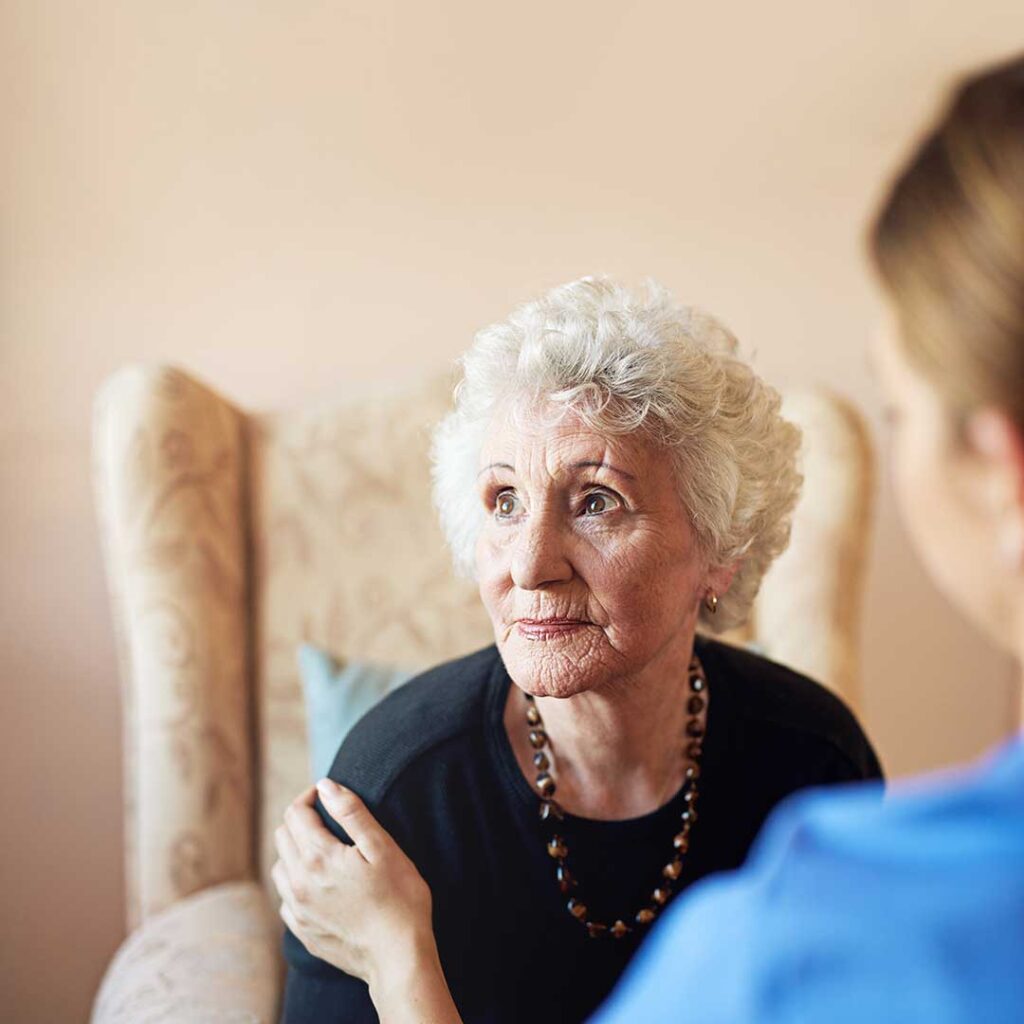
Change can be difficult at any age, but older adults may face several transitions at once: moving to assisted living, losing a spouse, changing routines, managing new health needs, or relying on others for tasks that were once independent. In Tamaqua, PA, families often balance these adjustments with familiar concerns such as winter weather, older housing, transportation, and staying connected to a close-knit community.
Adjustment is rarely immediate. Most seniors cope better when changes are explained clearly, introduced gradually, and paired with choices that preserve dignity and control.
Why can change feel especially difficult for seniors?
Older adults may experience change as a loss of independence, privacy, identity, or belonging. Even a positive move to assisted living can involve leaving a long-time home, sorting possessions, learning a new layout, and meeting unfamiliar people.
Health changes can add another layer. Hearing loss, vision problems, memory changes, pain, fatigue, or medication side effects may make new situations more confusing or stressful. A person who seems resistant may actually be overwhelmed, worried about falling, embarrassed about needing help, or unsure what is expected.
Common reactions include:
- Irritability or withdrawal
- Repeated questions
- Trouble sleeping
- Loss of appetite
- Tearfulness or worry
- Anger toward family members
- Refusal to participate in activities
- Increased confusion in unfamiliar settings
These responses do not always mean that a senior is unwilling to adapt. They may signal that the pace, instructions, surroundings, or amount of support need to change.
How can families make a move to assisted living less stressful?
A move is easier when the senior is included in planning as much as possible. Even when the move is necessary, choices can help restore a sense of control.
Before the transition, discuss practical details in simple language:
- What will happen on moving day
- Which personal items will come along
- Where important belongings will be kept
- Who will be present
- What the first evening and morning may look like
- How meals, medications, bathing, laundry, and transportation will be handled
Avoid presenting too many decisions at once. A senior may be able to choose between two lamps, two outfits, or two seating areas, but become frustrated by a long list of open-ended questions.
Familiar objects can make a new room feel more recognizable. Family photographs, a favorite chair, a quilt, a clock, books, or familiar music may provide comfort. Clear labels on drawers and closets can also reduce confusion.
If possible, introduce the setting in stages. A brief visit, a meal, or a conversation with staff before moving may help the environment feel less unfamiliar. After the move, keep the first few days calm rather than filling the schedule with visitors and activities.
What routines help older adults feel secure?
Predictable routines reduce the mental effort required to manage daily life. Regular waking, meals, medication times, rest, recreation, and family contact can help a new environment feel more manageable.
Routines do not have to be rigid. The goal is consistency, not perfection. A senior may benefit from:
- Eating meals at familiar times
- Keeping commonly used items in the same place
- Following a regular bedtime routine
- Having a predictable day for laundry or family visits
- Taking a short walk or spending time outdoors when conditions are safe
- Keeping a calendar with large, easy-to-read numbers
Seasonal conditions can affect routines in Tamaqua. Snow, ice, shorter winter daylight, and cold temperatures may limit outdoor activity or make travel more difficult. Indoor alternatives—such as hallway walking, chair exercises, music, reading groups, puzzles, or visits in a common area—can help maintain structure during weather-related disruptions.
How should family members respond to resistance?
Arguing usually increases distress. A calmer approach is to acknowledge the feeling first, then address the practical concern.
For example, instead of saying, “You have to get used to it,” a family member might say, “This feels unfamiliar, and you miss having your own routine. Let’s look at what would make this part of the day easier.”
Specific questions are more useful than general questions. Ask:
- “What part of the morning is hardest?”
- “Are you worried about finding the dining room?”
- “Would you rather have visitors before or after lunch?”
- “Which belongings do you want closest to your chair?”
Give the person extra time to answer. Hearing difficulty, slower processing, or anxiety can make quick conversations feel like pressure. Face the senior while speaking, reduce background noise, and use short explanations.

Not every preference can be followed, especially when safety is involved. Still, explaining the reason for a limit and offering an alternative can preserve respect. For instance, if icy conditions make an outdoor walk unsafe, suggest an indoor route or another activity rather than simply saying no.
How can seniors maintain identity after a major transition?
Adjustment improves when life continues to include familiar roles, interests, and relationships. A senior should not be defined only by medical needs or assistance with daily tasks.
Encourage activities connected to the person’s history:
- Looking through family photographs
- Cooking or discussing familiar recipes
- Listening to music from meaningful periods
- Gardening with containers or indoor plants
- Following local weather and community events
- Writing letters or recording family stories
- Practicing a faith tradition or personal form of reflection
- Helping with a manageable task, such as folding towels or organizing cards
The task should be meaningful without becoming exhausting. Asking for a senior’s opinion can also reinforce identity. Older adults may have valuable knowledge about household repairs, local history, family traditions, budgeting, or caring for others.
Family contact should be regular but flexible. Short, dependable visits or calls may be more reassuring than occasional long visits that are difficult to predict. If distance, work schedules, or winter travel make visits challenging, photographs, handwritten notes, or brief video calls may help maintain connection.
When does difficulty adjusting require closer attention?
Some sadness, frustration, or homesickness is expected after a major change. Persistent or worsening symptoms deserve attention, particularly if they affect eating, sleeping, medication use, mobility, or personal care.
Family members should watch for:
- Sudden confusion or a sharp change in behavior
- Repeated falls or new difficulty walking
- Refusal of food or fluids
- Severe anxiety or panic
- Ongoing hopelessness
- Statements about wanting to die or not wanting to live
- Hallucinations or beliefs that others are trying to cause harm
- Major changes after a medication adjustment
Sudden confusion is not simply a normal part of aging. It can be related to infection, dehydration, medication effects, pain, a stroke, or another urgent medical problem. Immediate medical evaluation may be needed, especially when confusion appears suddenly or is accompanied by weakness, trouble speaking, chest pain, severe headache, or breathing difficulty.
Safety concerns involving falls, medication errors, neglect, abuse, or dangerous living conditions should not be ignored. Medical, emergency, or protective services may be appropriate depending on the situation.
How can the senior’s voice remain central?
The most helpful support combines safety with respect. Families can ask what the senior wants, explain what cannot be changed, and look for smaller decisions that remain available.
A written transition plan can prevent misunderstandings. It may include preferred routines, food preferences, communication needs, important relationships, mobility concerns, and signs that the person is becoming distressed. Sharing this information with appropriate caregivers helps create more consistent support.
Adjustment is often measured in small signs: sleeping more regularly, joining one activity, recognizing a familiar hallway, accepting help with one task, or beginning a conversation with another resident. These steps may seem modest, but they show that the person is building a new sense of familiarity while preserving the parts of life that still matter most.
