
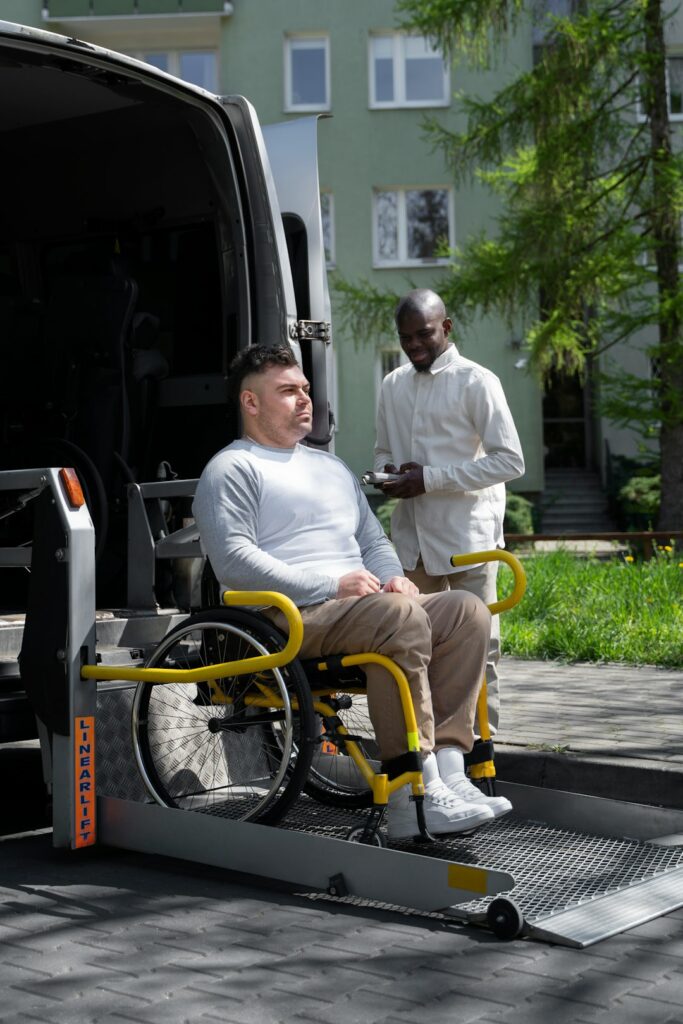
Transportation is a practical part of assisted living, not simply an added convenience. For residents in Tamaqua, PA, dependable transportation can affect access to medical care, groceries, family visits, community activities, and everyday independence.
What transportation services are typically available in assisted living?
Most assisted living communities coordinate transportation for essential appointments, shopping trips, social activities, and other planned outings. Transportation may be provided with a community-owned vehicle, through scheduled wheelchair-accessible transportation, or by another arranged service.
The exact services differ by community, but transportation often includes:
- Medical and dental appointments
- Pharmacy visits and prescription pick-up
- Grocery shopping or essential errands
- Religious services and community events
- Hair appointments and personal care outings
- Visits with family and friends
- Banking, voting, or other necessary civic activities
- Planned recreational trips
Transportation is commonly scheduled in advance. Same-day or unscheduled rides may not be available, especially when vehicles and staff are assigned to several residents.
Does assisted living transportation include medical appointments?
Often, yes, but residents should ask what types of appointments are covered and how far in advance a ride must be requested. Some communities provide transportation for routine appointments, while others limit service to certain distances, days, or destinations.
A transportation plan should clarify:
- Whether routine medical visits are included
- Whether hospital discharge trips are available
- How much notice is required
- Whether a family member may accompany the resident
- Whether the vehicle can accommodate a wheelchair, walker, or oxygen equipment
- Whether staff wait during the appointment or return later
- What happens if an appointment runs late
Transportation to a medical appointment does not always include hands-on medical assistance. A driver may help a resident enter and exit the vehicle but may not be able to provide clinical supervision, transfer assistance, or continuous monitoring. Those needs should be discussed before the trip.
How does wheelchair-accessible transportation work?
Accessible transportation depends on the vehicle and the resident’s mobility needs. A vehicle may accommodate a folding wheelchair but not a power wheelchair. Some vehicles use ramps, while others use lifts or assisted steps.
Before arranging a ride, the community or transportation coordinator may need to know:
- The resident’s walking ability
- Whether the resident can transfer from a wheelchair to a seat
- The size and weight of a wheelchair or scooter
- Whether a walker can be stored safely
- Whether the resident needs help with a seat belt or positioning
- Whether portable medical equipment will be carried
Residents should not assume that every community vehicle is accessible for every mobility device. A brief equipment check can prevent a missed appointment or an unsafe transfer.
How far in advance should a ride be scheduled?
Advance notice varies, but several days is a reasonable planning goal for routine trips. Medical appointments should be shared as soon as they are made, particularly when the appointment is outside the usual service area or requires special equipment.
Last-minute transportation can be difficult because:
- Vehicles may already be assigned to other residents
- Drivers may have limited working hours
- Accessible vehicles may require separate scheduling
- Weather can slow travel
- Appointments may need extra time for loading and unloading
A written calendar is useful. It should include the appointment time, expected departure time, destination, transportation type, and whether an escort is needed. Residents and families should also confirm the return plan rather than assuming the driver will remain nearby.
Is transportation included in the monthly assisted living cost?
There is no universal answer. Some communities include routine transportation in their standard services, while others charge separately for certain trips, distances, escorts, or special transportation needs.
Potential charges may relate to:
- Trips beyond a set distance
- Personal errands rather than essential appointments
- Transportation outside scheduled hours
- Additional wait time
- A family member or private aide accompanying the resident
- Specialized wheelchair transportation

Families should request a clear explanation of transportation policies before move-in and review the policy again if the resident’s mobility or medical needs change. The key questions are not only “Is transportation offered?” but also “What is included, what requires advance notice, and what may cost extra?”
Can residents use transportation for errands and social activities?
In many cases, yes. Assisted living transportation is often intended to support quality of life as well as medical care. Regular access to shopping, worship, social gatherings, libraries, family visits, and community programs can help residents maintain familiar routines.
However, trips may be grouped or offered only on certain days. A shopping outing may have a fixed departure and return time, and residents may need to limit purchases to what can be safely carried and stored.
For residents in Tamaqua, seasonal conditions also deserve attention. Snow, ice, heavy rain, and early darkness can affect walking routes, vehicle loading, and travel times. A trip that is manageable in mild weather may require additional assistance during winter.
What happens if a resident cannot travel alone?
A resident who becomes confused, unsteady, hard of hearing, or unable to manage appointments independently may need an escort. Depending on the community’s policy, an escort could be a family member, designated staff person, personal care aide, or another approved support.
Transportation staff may not be permitted to:
- Make medical decisions
- Manage medications
- Provide extensive personal care
- Supervise a resident throughout an appointment
- Sign medical paperwork on the resident’s behalf
- Perform transfers that require clinical training
The need for an escort should be considered when a resident has memory loss, a history of falls, communication difficulties, or complex medical instructions.
What should residents ask before relying on a transportation program?
A short conversation can reveal whether the service matches the resident’s actual needs. Useful questions include:
- Which destinations are included?
- How often are rides available?
- How much notice is required?
- Are evening and weekend trips offered?
- Is there a limit on the number of rides?
- Can the vehicle handle a wheelchair or scooter?
- Is a companion allowed?
- What happens during bad weather?
- Is there a waiting period or extra fee?
- Who confirms the return ride?
- What should a resident do if the vehicle is delayed?
It is also helpful to ask how transportation requests are documented. A reliable process should identify the destination, departure time, mobility needs, and return arrangements.
What alternatives may be available when community transportation is limited?
If a community vehicle cannot meet a particular need, families may explore other lawful and accessible transportation options. Possibilities can include paratransit, non-emergency medical transportation, transportation arranged through an insurance plan, or rides provided by a trusted family member.
Eligibility, scheduling rules, service areas, and vehicle capabilities vary. A resident should not be placed in a standard vehicle if entering, exiting, or remaining seated would be unsafe.
Transportation planning works best when it begins before a crisis. Reviewing likely appointments, mobility equipment, winter travel concerns, and escort needs can help residents maintain access to the community while reducing preventable delays and safety risks.
